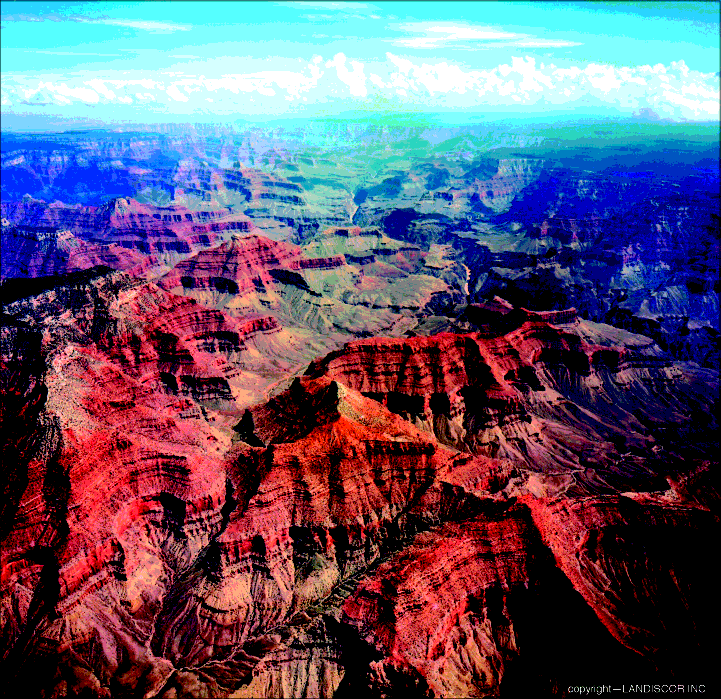
Figure 1: The Grand Canyon. Probably the most spectacular of the seven wonders of the natural world is the Grand Canyon. It is awesome when viewed from its rim, but even more so from the air. From above, new insights become obvious, as you will see. For example, have you ever wondered how the Grand Canyon formed? Since the late 1800s, the standard answer has been that primarily the Colorado River carved the Grand Canyon over millions of years. If that happened, wouldn’t you expect to find a gigantic river delta where the Colorado River enters the Gulf of California? It’s not there. Nor have geologists found it anywhere else. Where did all the dirt go—2,800 cubic miles of it?
Notice the four segments of this river near the center of the picture. Compare the thin river with the canyon’s vast expanse. Could that relatively small river carve such a huge, wide, and deep canyon? If so, why hasn’t the same thing happened along dozens of faster and larger rivers? Why do hundreds of large side canyons, with no visible water source to erode them, enter the Grand Canyon?
In first studying this overview chapter and then the chapter on the Grand Canyon (pages 214– 257), you will see a gigantic and focused water source and a surprisingly simple, but complete, explanation for the Grand Canyon’s rapid formation as well as the answer to where all the dirt went. As you might expect, the Grand Canyon’s origin is directly related to the origin of many other amazing and mysterious sights in the southwestern United States.